
Texas
Dallas–Fort Worth
Class A-, B+ and strong B communities · 200–500+ units preferred
Institutional scale with broad employer diversity, deep transaction liquidity and KADAK's strongest local relationship network.
Target Markets
KADAK Multifamily concentrates capital across a focused U.S. state footprint where demographics, employment, and supply dynamics support long-hold, 100+ unit Class A- and B+ ownership.
The KADAK Multifamily Buy Box
KADAK Multifamily is actively reviewing institutional-quality Class A-, B+, and strong B multifamily acquisition opportunities across select high-growth and yield-oriented U.S. markets. We focus on 100+ unit communities, preferably 1990+ vintage, with durable renter demand, below-replacement-cost basis, realistic debt, manageable capex, and clear exit liquidity. We are especially interested in brokered deals, direct seller conversations, recapitalizations, assumable debt, portfolio situations, and special situations where good assets are trapped inside bad capital stacks.
Who We Want To Hear From
Sell-side advisors with 100+ unit multifamily listings, off-market whispers, or portfolio situations across our target markets.
Owners considering a private conversation about a sale, a partial exit, or bringing in institutional capital on an existing asset.
General partners with an otherwise strong asset trapped inside a capital stack that no longer fits — rate caps, refis, or LP timing.
Assets with attractive in-place agency, life-co, or CMBS debt where an assumption creates a defensible basis for an institutional buyer.
Portfolio unwinds, note purchases, distressed sponsor situations, and any credible path to a good asset behind a bad capital stack.
States
Texas is the largest and most diversified multifamily opportunity set in the country — DFW, Austin, San Antonio, and Houston together anchor KADAK's Sunbelt allocation.
Florida combines durable in-migration, no state income tax, and one of the most active institutional multifamily buyer pools in the Southeast.
The Charlotte and Raleigh-Durham corridor is one of the most institutional Sunbelt multifamily markets — a durable core allocation for KADAK.
Atlanta's diversified employment and durable in-migration make Georgia a core Southeast multifamily allocation for KADAK.
Nashville's diversified employment engine and Chattanooga's supply-chain and manufacturing growth make Tennessee an active KADAK acquisition market.
Phoenix's semiconductor, healthcare, and logistics build-out anchors one of the deepest Sunbelt multifamily markets for KADAK.
Indianapolis' logistics, life-sciences, and manufacturing base gives Indiana one of the most attractive yield-to-basis profiles in KADAK's footprint.
Huntsville's defense and aerospace base and Birmingham's healthcare economy give Alabama a differentiated, yield-oriented multifamily thesis.
Metros
Class A-, B+ and strong B communities · 200–500+ units preferred
Institutional scale with broad employer diversity, deep transaction liquidity and KADAK's strongest local relationship network.

Class A-, B+ and strong B communities · 200–450+ units preferred
A long-duration technology, education and population-growth market where basis and submarket selection matter more than the postcard.

B+, A- and select strong B communities · 200–450+ units preferred
A basis-driven Texas growth market with compelling long-term corridor expansion and opportunities created by near-term supply pressure.

Class A-, B+ and strong B communities · 200–500+ units preferred
Scale, employment depth and basis opportunity — with flood, insurance and submarket quality treated as non-negotiable screens.

Class A-, B+ and strong B communities · 200–450+ units preferred
A long-term housing-growth market where KADAK is looking for quality assets at a basis that recognizes the current supply cycle.
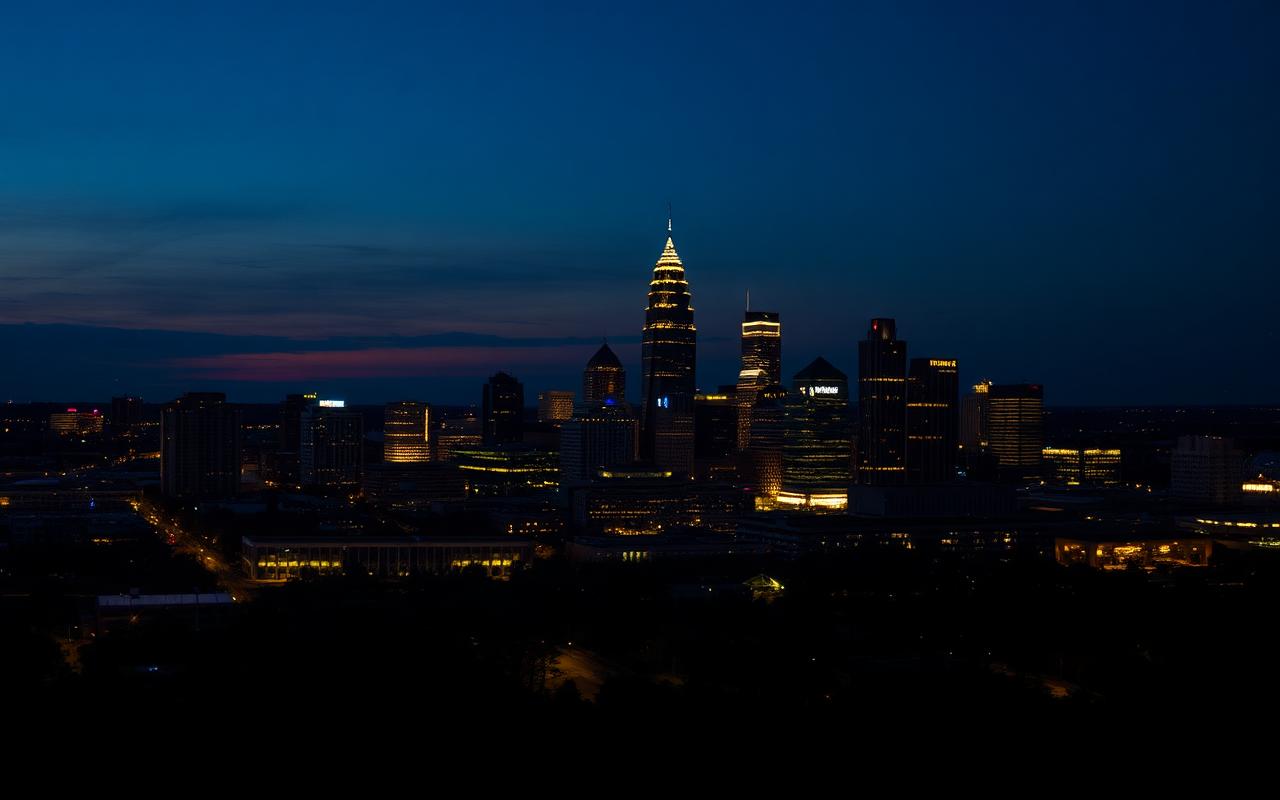
B+, A- and strong B communities · 200–500+ units preferred
A deep institutional market supported by corporate, logistics, healthcare and population growth — with sharp submarket discipline.

Class A-, B+ and strong B communities · 200–525+ units preferred
Two of KADAK's highest-conviction long-term growth markets, combining finance, research, healthcare, education and corporate demand.

Class A-, B+ and strong B communities · 200–450+ units preferred
Florida growth with institutional demand depth — approached with strict insurance, storm and basis discipline.
FAQ — Markets & Buy Box
Class A and Class B garden, mid-rise, and select high-rise multifamily communities in high-growth U.S. markets, typically 200+ units, with deal sizes from $25M to $150M+. We pursue core-plus, value-add, recapitalization, and select special situations. Full written criteria live on our Buy Box page.
Dallas–Fort Worth, Austin, Houston, San Antonio, Phoenix, Nashville, Charlotte, Raleigh, Atlanta, Tampa, and Orlando are core. Mountain West and Carolinas submarkets are watch-list active. We add markets when employment, in-migration, and supply dynamics justify a permanent operating presence.
Four filters: diversified employment with at least two structural drivers, durable net in-migration, credible household-formation tailwinds, and a supply picture we can underwrite at the submarket level. A market that fails any of the four — even temporarily — moves to the watch list.
Selectively. A tertiary market must have a credible primary-employer thesis, real housing-formation pressure, and submarket-level supply visibility. Story deals in thin markets without that foundation are a fast no.
Class A: typically 2015+ vintage, 200+ units, in supply-absorbing submarkets. Class B: 1995–2010 vintage, 200+ units, where a defined operating thesis can drive yield-on-cost expansion through hold. We do not chase 1970s-era deep value-add as a strategy.
No. Our mandate is conventional market-rate multifamily — workforce and lifestyle communities serving the broad rental population. Student, seniors, manufactured housing, and short-term rentals are outside the buy box.
Bottom-up. Insurance is built off live carrier quotes and projected forward at a rate consistent with submarket loss history — never a generic CPI bump. Taxes are modeled to assessor methodology with post-sale reassessment risk priced explicitly. Both are the difference between a real underwrite and a marketing model.
Yes — at the right basis. Class A lease-up at a meaningful discount to replacement cost is one of our highest-conviction trades in the current cycle. We will not chase stabilized pricing on partially leased rent rolls.
Next Steps
Submit a Multifamily Deal
Send a complete package — OM, T-12, current rent roll, in-place debt. Feedback in 48–72 hours.
Send Us an Off-Market Opportunity
Confidential, principal-only review. Off-market and lightly-marketed situations welcomed.
Share a Brokered Offering
Working relationship for brokers with listings that fit the KADAK buy box.
Talk Privately About Selling Your Apartment Community
Direct seller conversation with a principal. Discreet, no fishing, no false optionality.
Discuss Property Management / Operating Partnership
Best-in-class regional operators — introduce your platform.
Request Investor Access
Institutional and qualified investor materials — one-pager on request.